
Choosing the best time to visit Luquillo
The best time to visit Luquillo depends on whether your priority is a comparatively drier period, accommodation planning or a flexible rainforest-and-beach itinerary. Regional climate guidance identifies December to March as the drier season. That makes it a useful starting point for choosing dates, but it does not promise dry days, calm water or suitable conditions for a particular river activity. Use the local forecast alongside your chosen month.
Accommodation season follows a different boundary. The municipality describes mid-November to mid-April as high season and recommends booking early. Keep this separate from the regional December-to-March climate pattern: November can fall within accommodation high season and the later rainy season at the same time. Choose your dates first around what you want to do, then match the accommodation location and type to that plan.
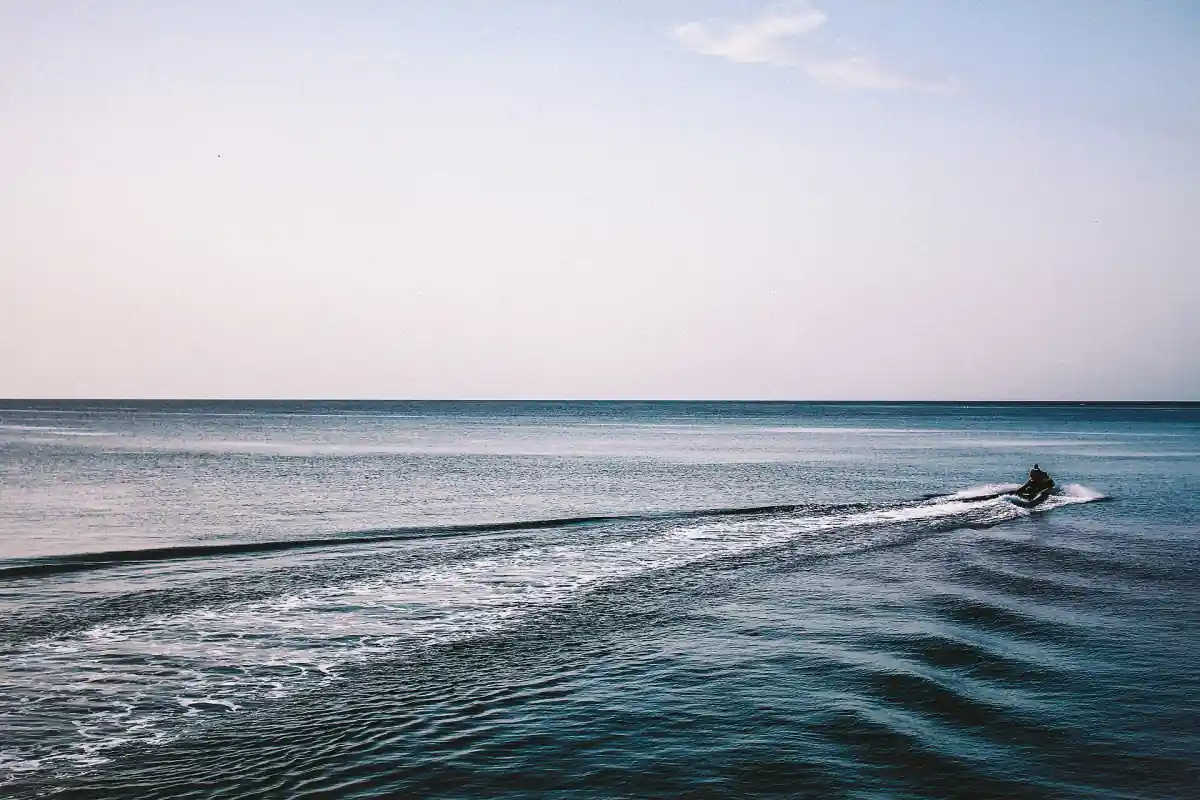
Drier months and the early rainy season
December to March suits a plan that gives comparatively drier regional conditions more weight. It is still sensible to leave flexibility between a coastal outing and a forest visit. Read the monthly weather comparison for the temperature and rainfall context, rather than treating a seasonal label as a daily forecast. Those figures come from the San Juan airport coastal comparison station, not from an instrument on Luquillo’s beach or in the El Yunque mountains.
The NOAA regional climate summary published in 2025 describes April and May as an early rainy season. For a trip crossing those months, build the itinerary around activities you can rearrange rather than requiring every water-based element on a fixed day. June and July form a relatively drier interval within the broader regional cycle. That relative description does not make them part of the December-to-March dry season or remove the need to follow storm guidance.
Our pick: a rainforest day
Plan a rainforest outing with a vehicle and safety gear around your travel dates.
Hand-picked tours, booked through Viator. Prices are indicative starting prices in US dollars (as of October 2026). Tap a tour for live availability and the current price in your currency.
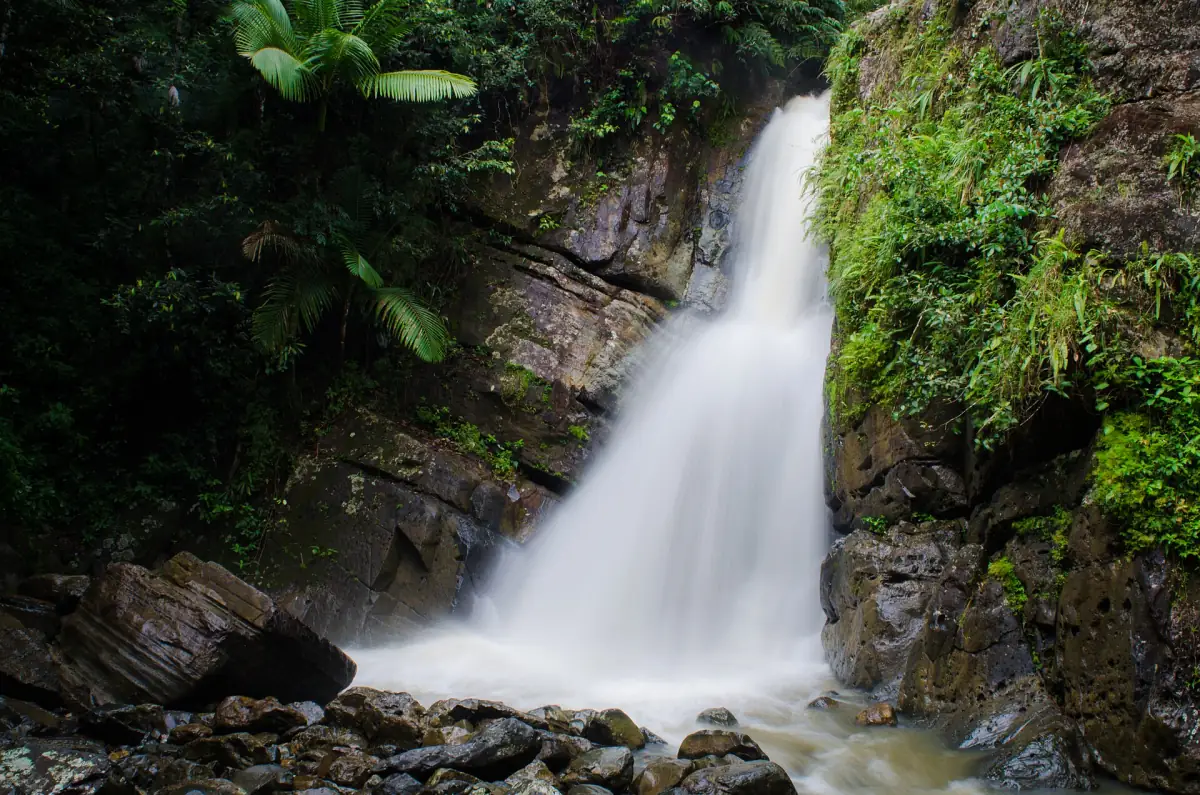
A rainforest and beach day for a flexible itinerary
This combination includes an air-conditioned vehicle, parking fees, a helmet and a flotation aid. Plan the day around current rainforest and coastal conditions.
Later rain and the Atlantic hurricane season
August to November is the later rainy season in the regional climate summary. The official Atlantic hurricane season runs from 1 June to 30 November. The National Hurricane Center describes activity as concentrated especially from mid-August to mid-October, with a climatological peak around 10 September. These are planning patterns rather than a prediction that a storm will affect a particular booking. Tropical cyclones can also occur outside the official season.
For dates within that period, pay attention to current advisories and keep the day’s route adaptable. A scheduled departure and a seasonal climate description answer different questions: one is an arrangement, the other a long-term pattern. Neither settles the day’s water conditions. If a forest-and-beach combination is the main purpose of the trip, allow room to respond to guidance rather than relying on every stop being suitable on your chosen date.
Choose by activity rather than a single season label
For beach time, check the surf-zone forecast, local warnings and water-quality guidance before entering the sea. The NWS distinguishes low, moderate and high rip-current risk; dangerous currents remain possible even at low risk. La Pared is a surf location with strong currents, so it should not be selected as an ordinary swimming alternative simply because the sky is clear. Sunshine is useful for enjoying the coast, but it is not a swimming clearance.
For El Yunque, river safety is its own decision. The Forest Service warns of unexpected flash floods around Angelito, and trail conditions and access notices matter separately from coastal weather. Follow marked paths, wear shoes with grip and keep wildlife at a distance. The rainforest and beach guide helps distinguish a combined day from a forest-focused visit. Equipment included in an excursion supports the activity; it does not make a river outing independent of conditions.
Build a realistic plan for your dates
Use the seasonal pattern to choose a travel window, the forecast to arrange the next outing, and on-site guidance to make the final water decision. Leave coastal time flexible if the sea is unsuitable for swimming. Sargassum conditions also deserve a current check; choosing the regional dry season does not promise a clear shoreline. Leave room for coastal time with a different focus when swimming conditions are unsuitable.
For a change of focus, the kiosks along PR-3 offer food, drinks and souvenirs, with individual opening times and stronger activity at weekends. Arrange the journey from San Juan or SJU around the actual destination and return trip. Keep accommodation high season, rainfall season and daily operating conditions as separate decisions. This gives each piece of information a useful role without asking a single “dry” or “wet” label to decide the whole itinerary.
Frequently asked questions
Which months are comparatively drier?
Regional NOAA guidance identifies December to March as the drier season. Rain and unsuitable water conditions can still occur.
When is accommodation high season?
The municipality identifies mid-November to mid-April as accommodation high season and advises early booking.
Does the dry season guarantee swimming?
Sea conditions, rip currents, water quality and river warnings require a current check regardless of the month.